Water Quality Monitoring
We Need Your Help Raising $55K Annually
A Collaboration with USGS
Monitoring the Watershed to Create a Sustainable Ecosystem & Forecast Environmental Changes
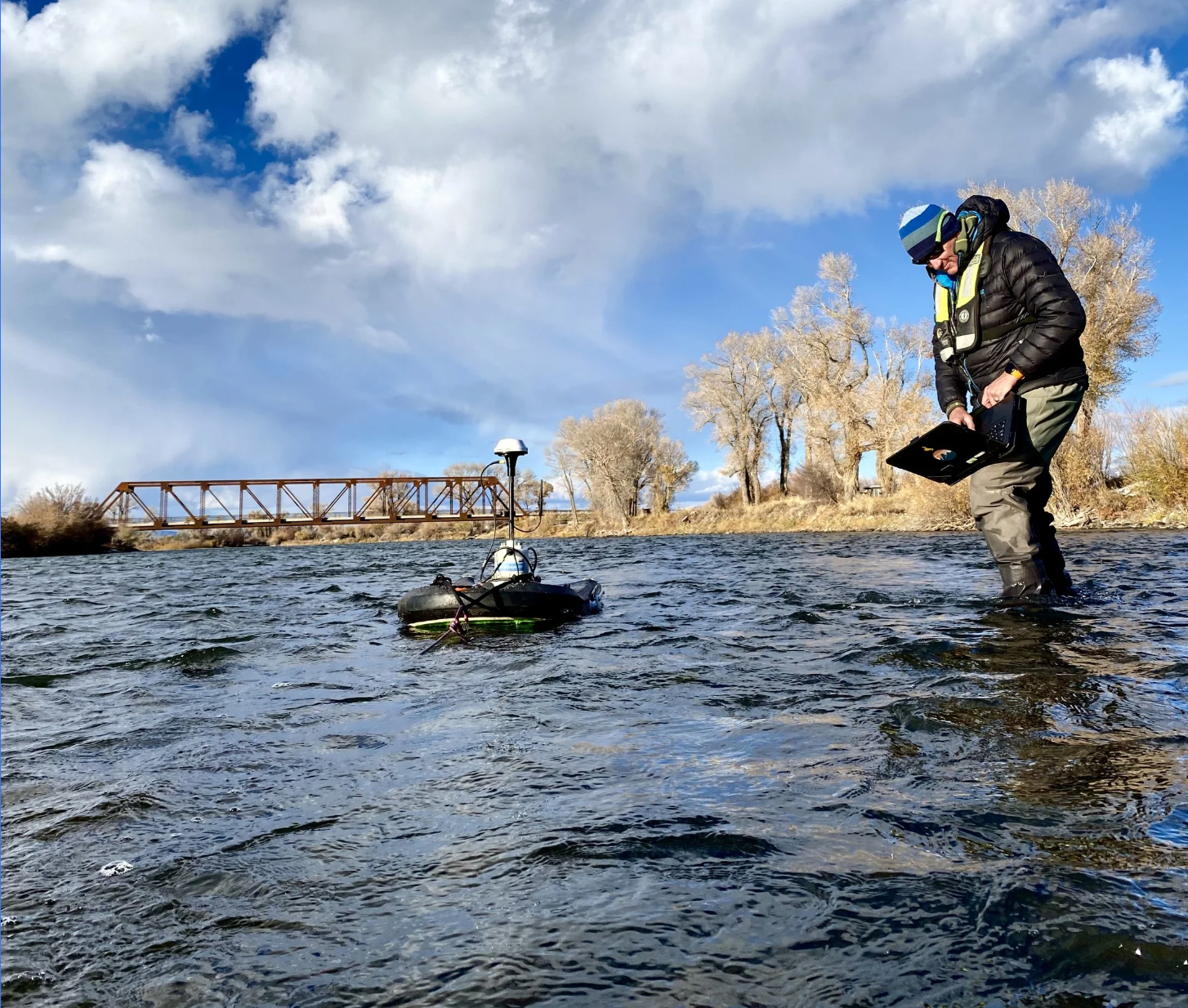
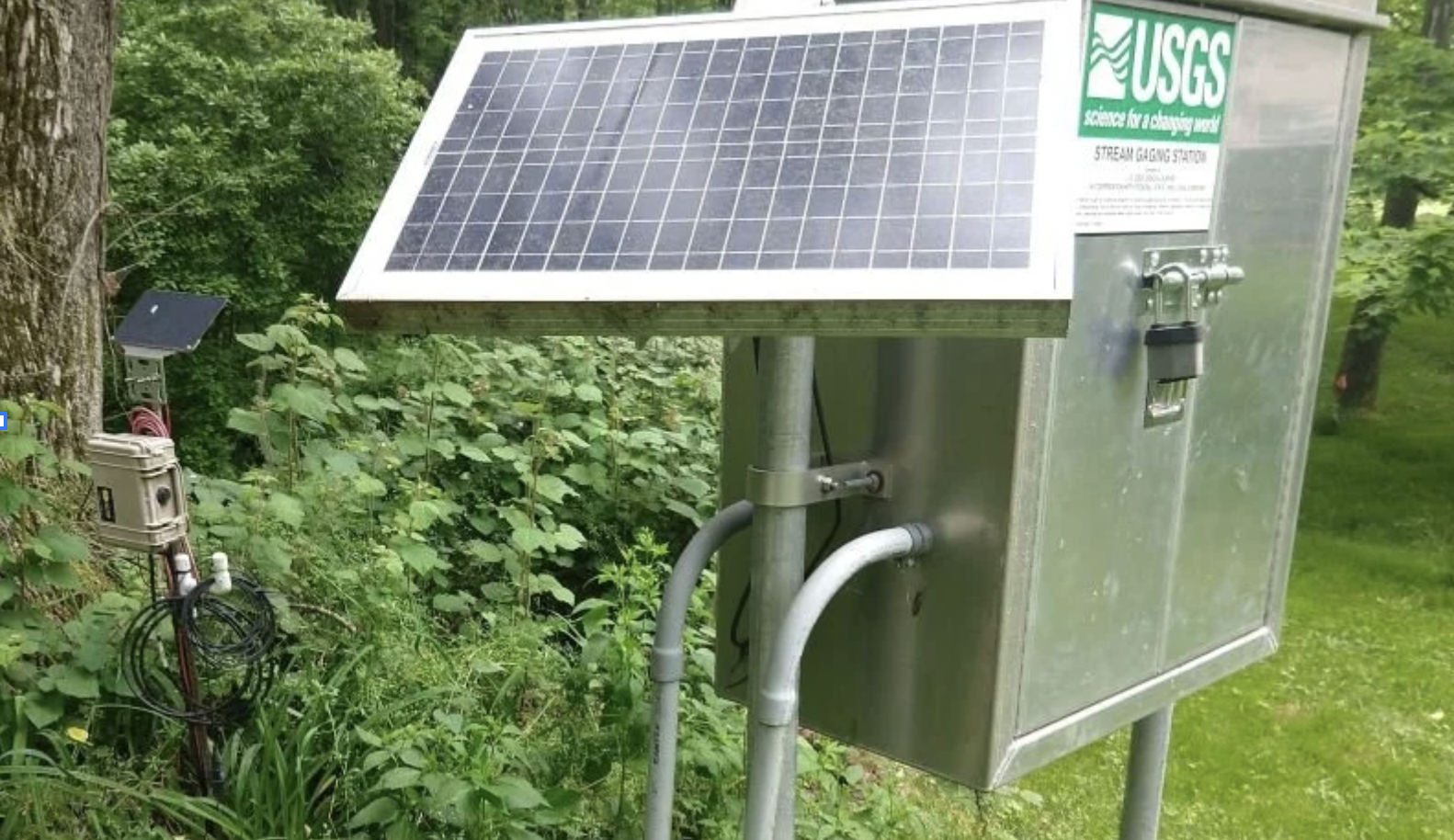
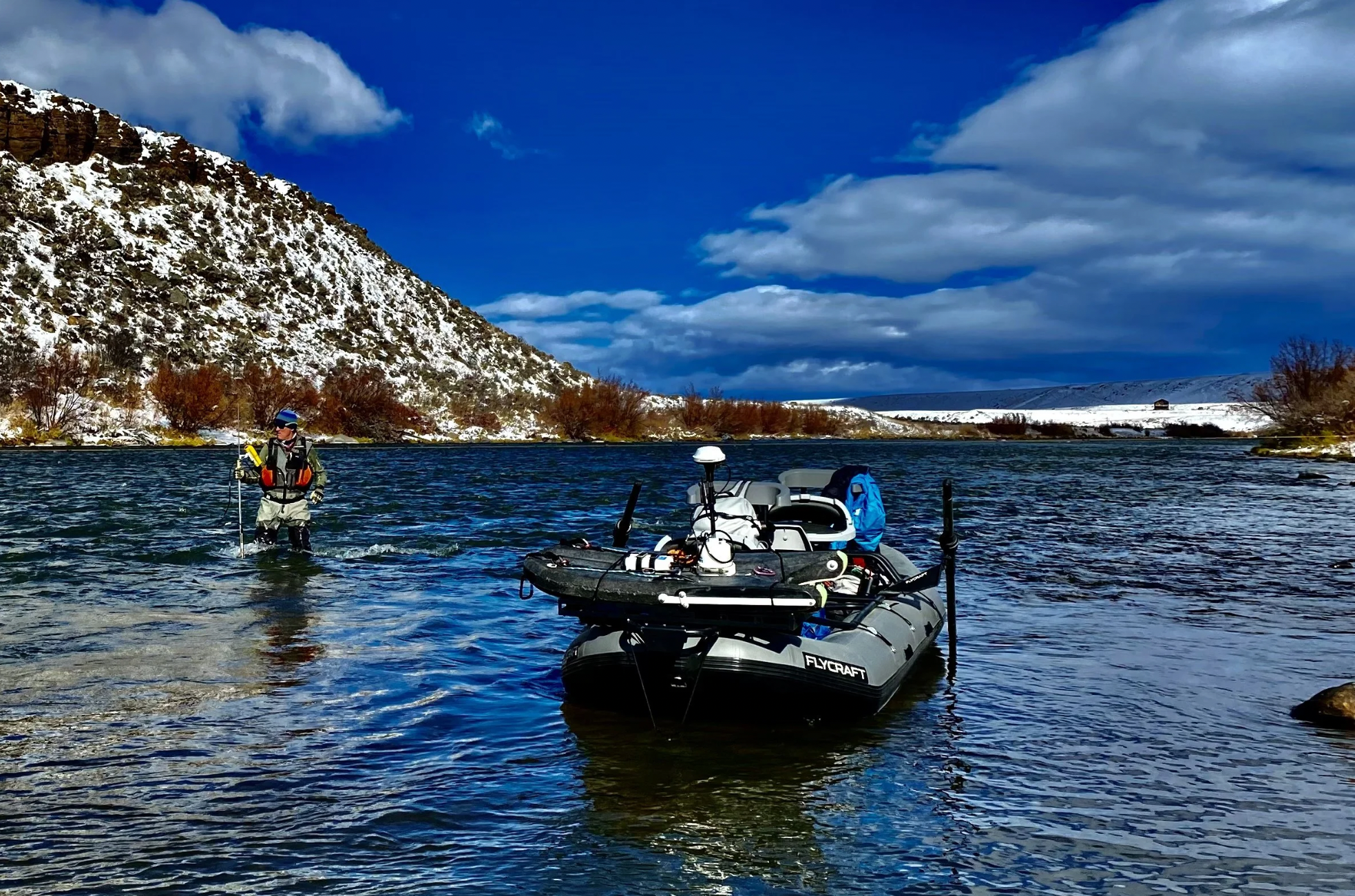
The Madison River Foundation is expanding our long-term water quality monitoring program to give our community and partners the real-time data needed to protect the river. Working with the U.S. Geological Survey (USGS), we are closing key information gaps that limit our understanding of how the Madison responds to heat, low flows, dissolved oxygen (DO), and the pressure of modern use.
Why this matters
Temperature and discharge are already measured at select locations on the upper river, but until now, the Madison has had limited long-term, real-time insight into dissolved oxygen (DO), and there are no sondes on the lower Madison. As this monitoring network grows, it becomes a modern, science-based early-warning system that helps us forecast environmental shifts and support smart, timely watershed decisions that keep the fishery healthy, resilient, and thriving.
*Conservation work on the Madison River, featured in The Madison series, requires sustained stewardship, restoration, and education.
Data access and sharing
All data is public and shared with conservation partners and management agencies. This growing network gives us real-time insight to forecast environmental shifts and make informed decisions that protect the Madison before stress becomes damage.
What We Monitor
Dissolved Oxygen (DO)
DO is the amount of oxygen present in water. DO is a direct indicator of overall system health, and indicates a water body's ability to support aquatic life. Aquatic species such as fish, macroinvertebrates, and plants, rely on DO to survive. Factors such as temperature, algal blooms, organic matter, aquatic organisms, and water flow and mixing can affect DO.
Temperature
Temperature is a crucial water quality parameter because it determines the kinds and types of aquatic life that can thrive in a system, it regulates DO, and influences the rate of chemical and biological reactions. Organisms, such as trout, have preferred temperature regimes, and increased water temperatures increase the rate of chemical and metabolic reactions and decrease the amount of dissolved gases a system can hold. Factors such as solar radiation, air temperature, shade from vegetation, streamflow, source water temperature, depth, and sediment and turbidity can affect temperature.
Discharge
Discharge is the amount of water carried by a body of water per unit in time, commonly measured in cubic feet per second (CFS). Measuring discharge is critical because it directly affects water quality, temperature, microbial activity, nutrient cycling, and the life history of aquatic species such as fish and macroinvertebrates. Factors such as precipitation, slope, available groundwater supply, soil type, vegetation, dam operations, water diversion, urban development, and agriculture can affect discharge.
We Need Your Help Raising $110K
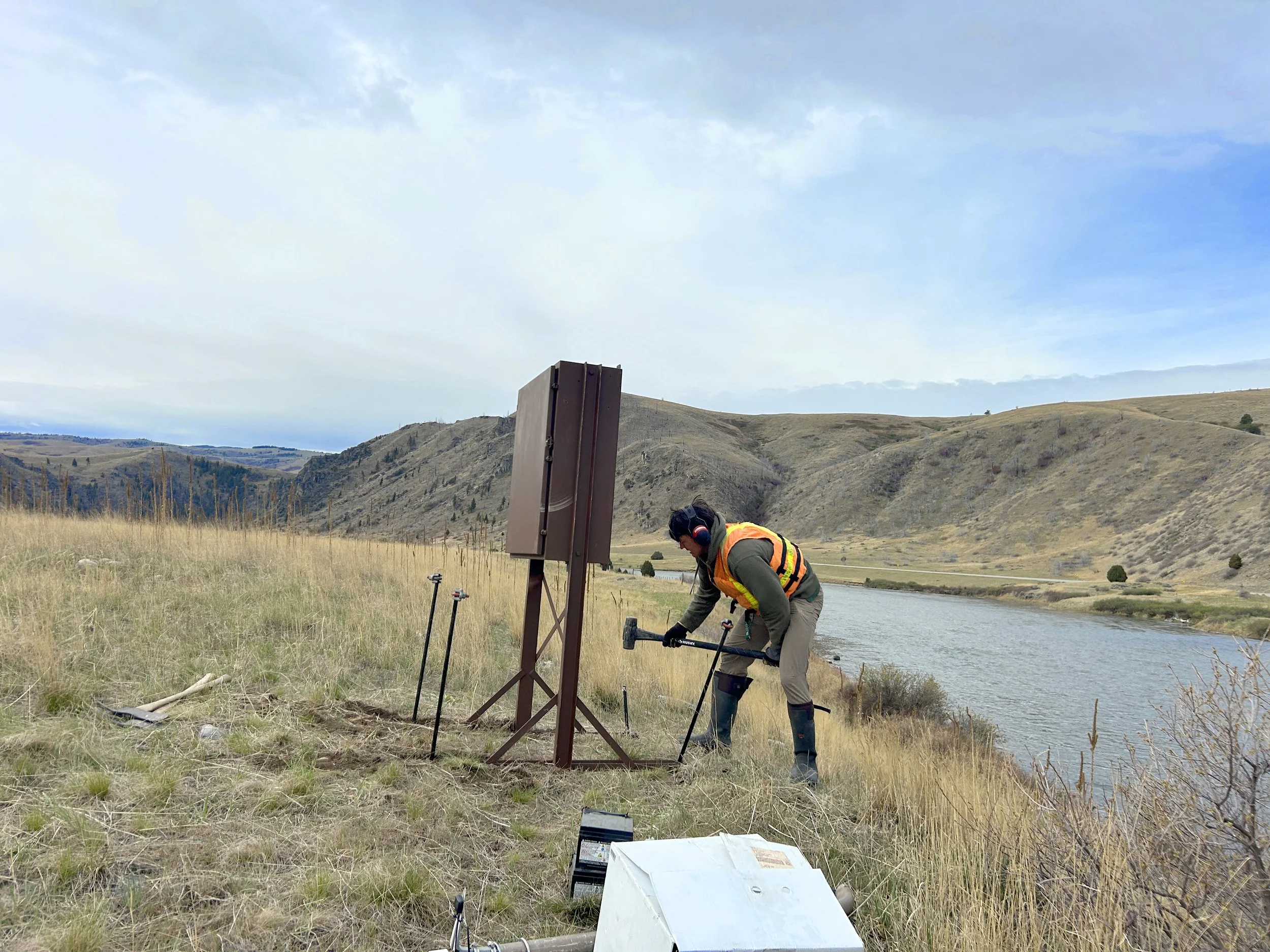
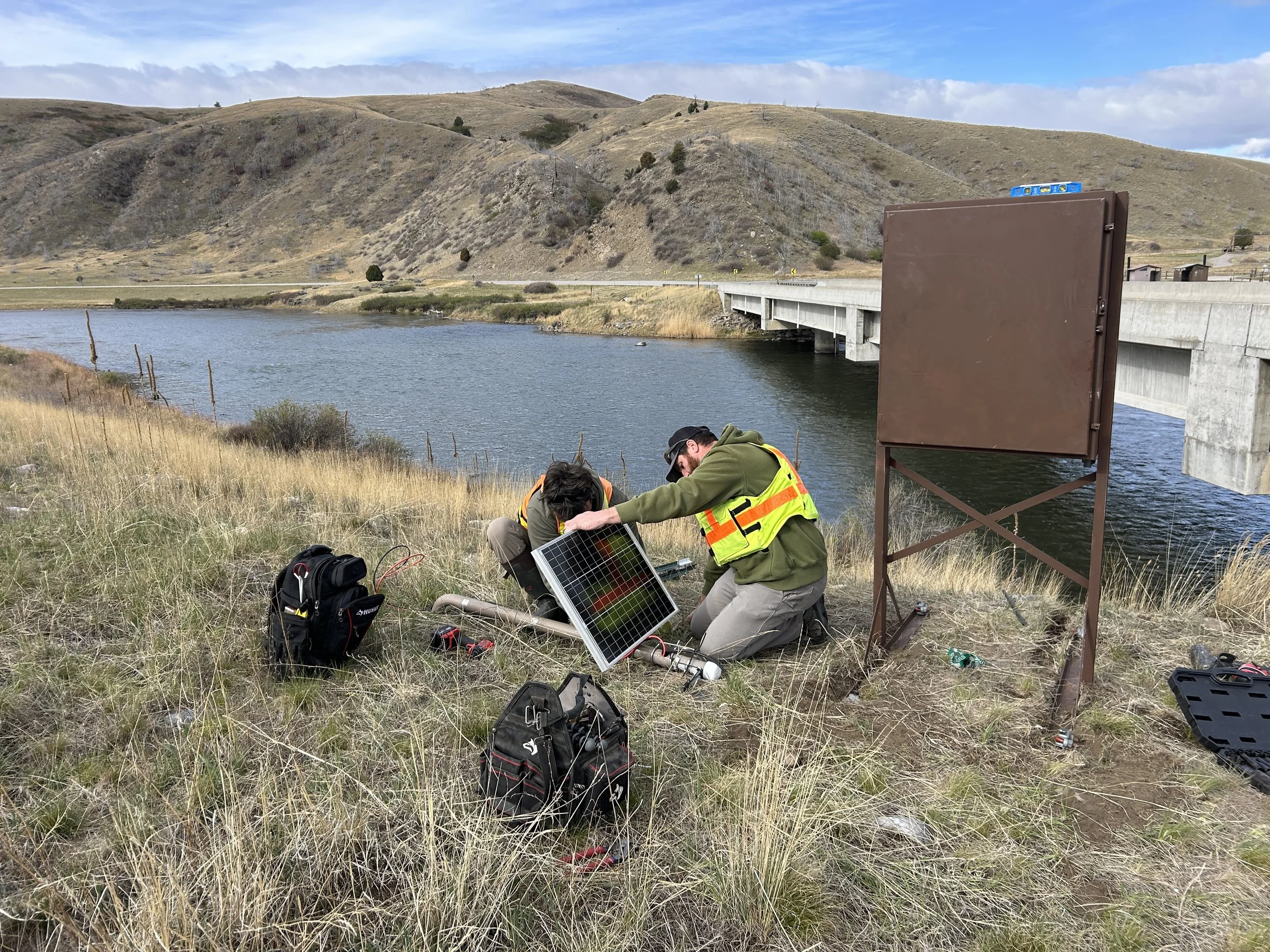
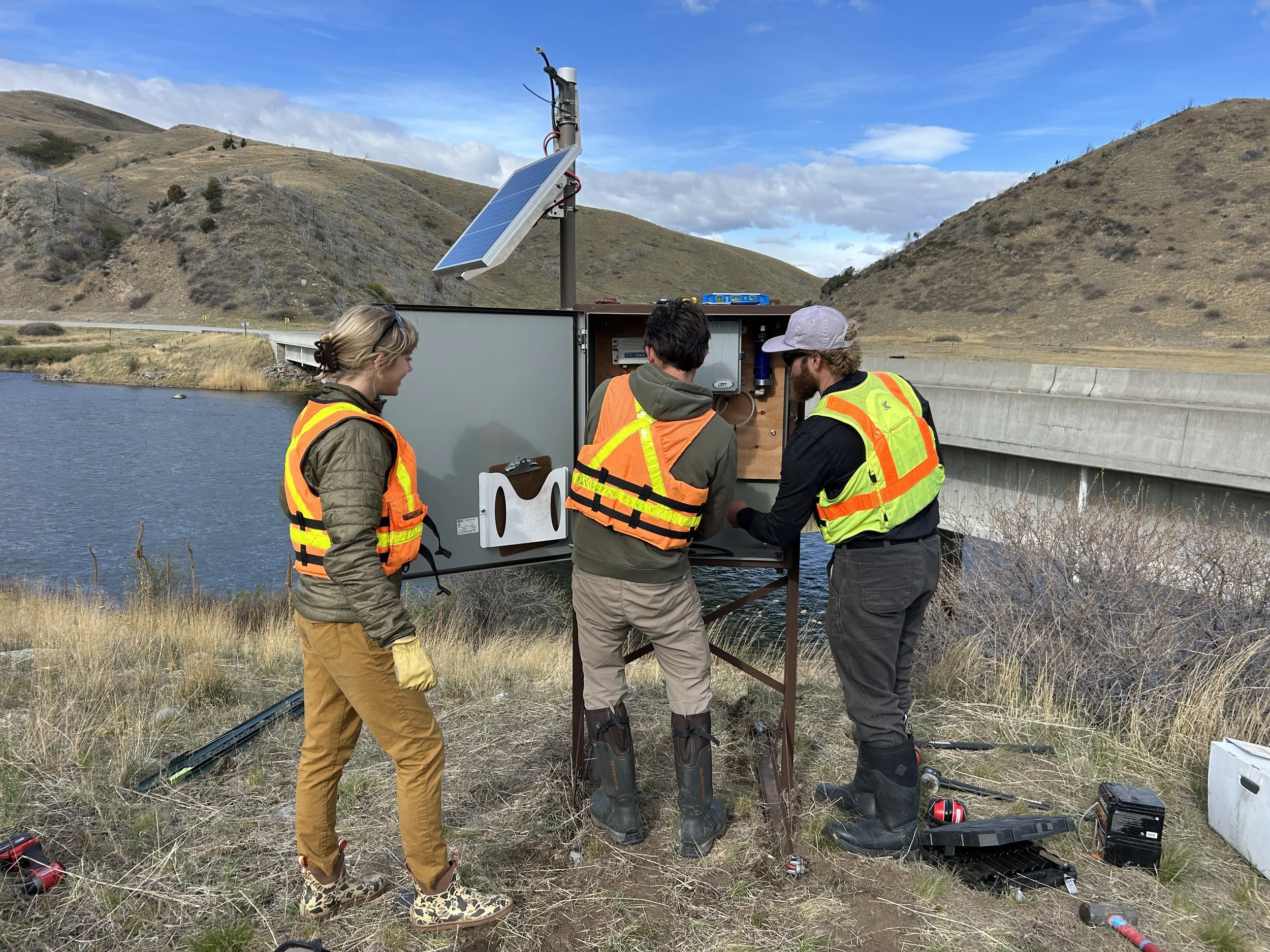
On April 15, the Madison River Foundation, in partnership with the US Geological Survey and the Madison Conservation District, installed a new gauge station at the bridge on the lower Madison River…Now we need to raise the funds to pay for it.
At this location, we are tracking flow, temperature, and dissolved oxygen, the three primary indicators of river health. By better understanding what is happening in the water, we can make more informed decisions and better serve the health of the entire watershed.
"Healthy River, Thriving Community"
Project costs (Next phase build-out in 2026)
Installations: $55,000
One year of continuous monitoring / All 4 river stations: $75,000
Total project cost: $130,000
Funding status
Funds secured: $20,000
Remaining Funding Needed: $110,000